
How to Fix Slouching Posture at Work: The Complete Ergonomic Guide
Poor posture at work is one of the most widespread issues facing office workers and remote professionals today. Spending hours hunched over a keyboard or slouching in an unsupported chair causes significant strain on the spine, shoulders, and neck. Understanding how to fix slouching posture at work requires a comprehensive approach that combines environmental adjustments, conscious physical habits, and supportive aids.
Understanding Why We Slouch at Work
Slouching rarely happens on purpose. It is usually the result of muscle fatigue, poor workstation setup, and prolonged static positioning. When sitting for extended periods, the muscles in the core, upper back, and neck tire out. As a result, the spine naturally collapses into a rounded position. Laptops, low monitors, and unsupportive seating exacerbate this tendency by encouraging the head to tilt forward and the shoulders to round inward.
The Health Impacts of Poor Desk Posture
Ignoring chronic posture issues can lead to several long-term physical discomforts. Forward head posture places immense pressure on the cervical spine, leading to tension headaches, upper back stiffness, and shoulder tightness. Over time, poor spinal alignment can also compress the thoracic cavity, limiting full deep breathing and contributing to lower energy levels throughout the workday.
Ergonomic Desk Setup Essentials
Creating an ergonomic environment is the first step toward sitting upright without constant conscious effort. Ensure your computer monitor is directly in front of you with the top third of the screen at eye level. Your arms should rest comfortably at a 90-degree angle on your desk or armrests, and your feet should sit flat on the floor. If your chair lacks adequate lumbar support, adjusting your seating position or utilizing specialized support devices can help maintain the natural curve of your spine.
Daily Habits to Combat Desk Slouching
Small, consistent changes during your workday yield substantial improvements over time:
Using Support Accessories for Posture Correction
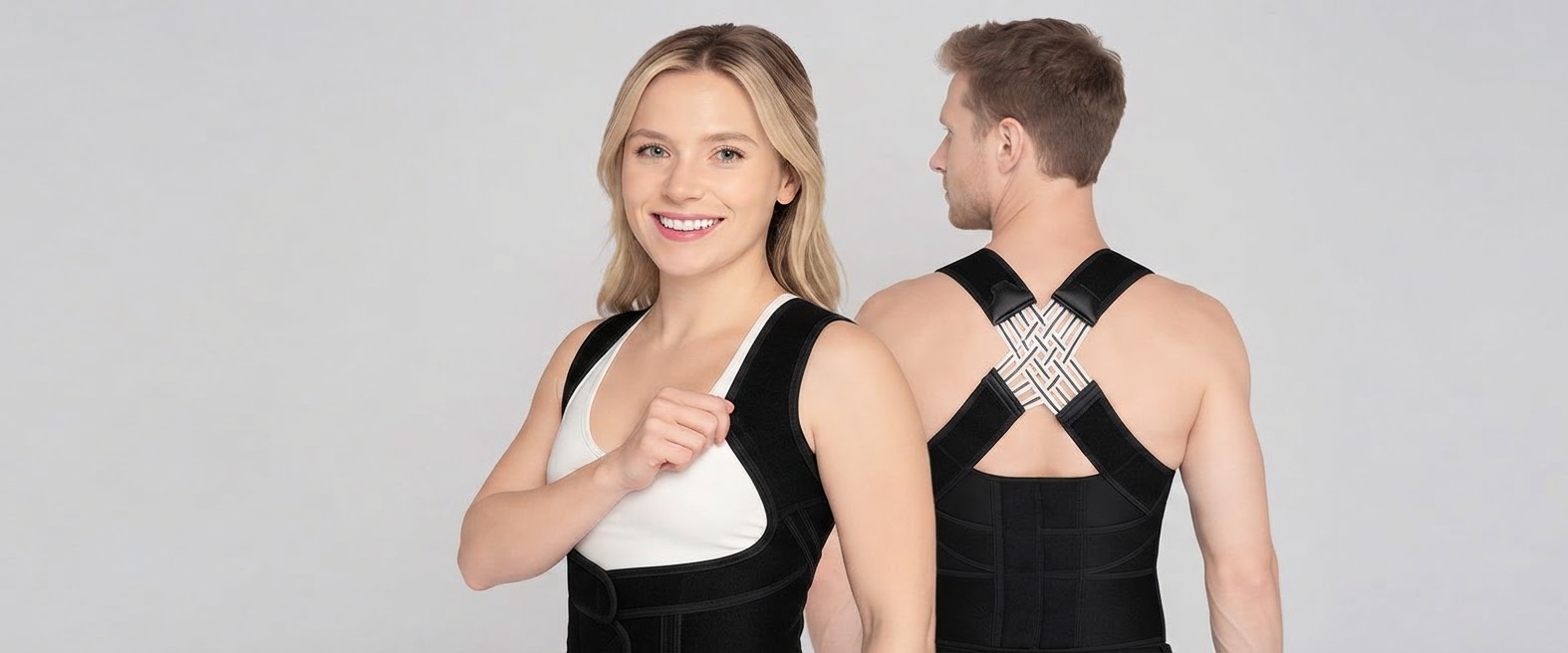
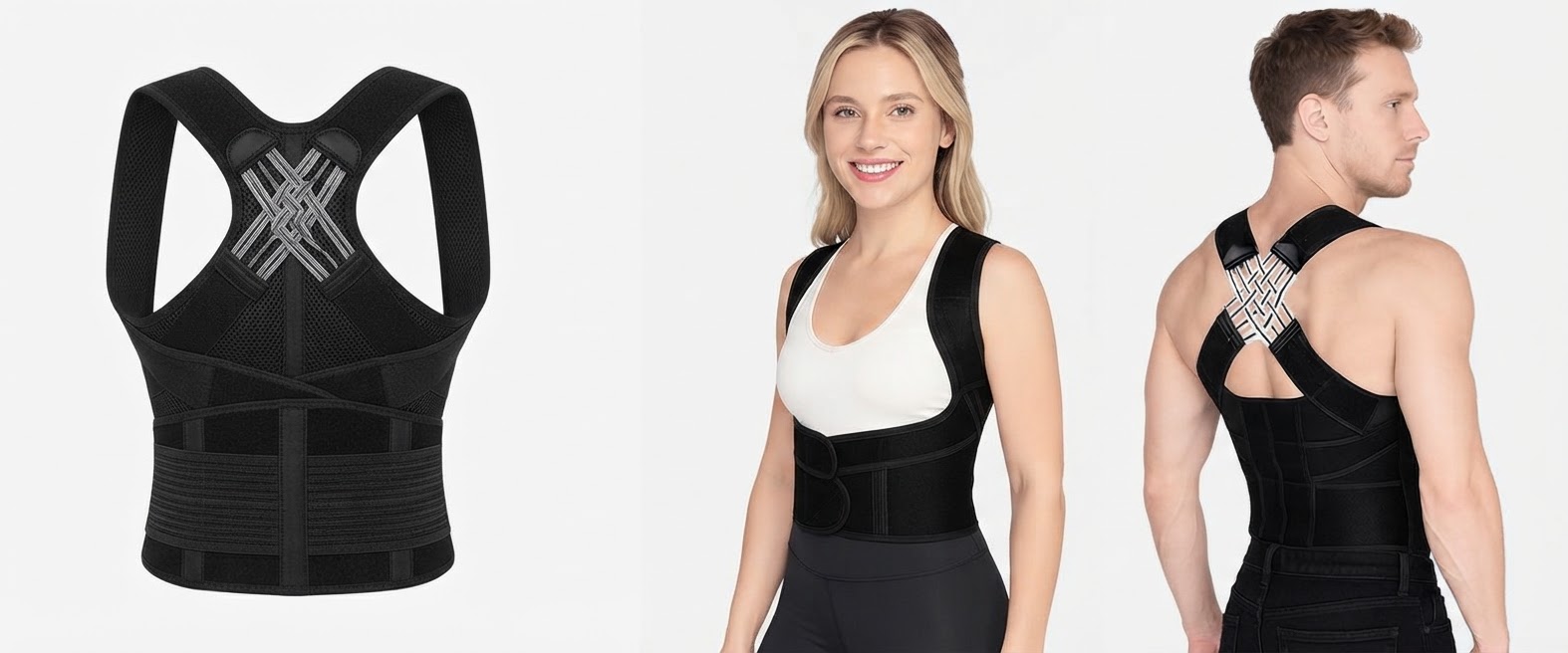
While habit building and ergonomics form the foundation of posture repair, external physical prompts can accelerate training. Wearing a dedicated alignment tool, such as the Straight Back Brace, offers gentle physical feedback to remind your body to stay aligned. Made from Neoprene & Breathable Mesh, it helps retrain muscle memory during working hours. When used for a daily wear recommendation of 1-2 hours per day, it reinforces proper spinal position without allowing back muscles to become overly reliant on external help.
Frequently Asked Posture Questions
Fixing your posture takes time and consistency. By combining ergonomic workstation changes, frequent movement, and targeted physical support, you can eliminate slouching and protect your spinal health for years to come.
Related in this cluster
- 5 Causes of Slouching at Your Desk and How to Prevent Them
- How to Set Up an Ergonomic Desk to Stop Slouching
- Posture Braces vs. Ergonomic Chairs: Which Fixes Desk Slouching?
- Why Desk Slouching Causes Upper Back Pain and How to Relieve It
- Straight Back Brace Review: Features, Sizing, and Workplace Use
- Desk Posture and Back Support FAQ