
How to Fix Slouching Upper Back: The Ultimate Realignment Guide
Slouching in the upper back—often referred to clinically as postural thoracic kyphosis—has become one of the most widespread musculoskeletal issues of the modern age. Hours spent bent over laptops, staring down at smartphones, and leaning into steering wheels pull the shoulders forward, collapse the chest, and create a pronounced curve in the spine. Learning how to fix slouching upper back habits requires a balanced approach combining conscious posture awareness, targeted muscle strengthening, ergonomic adjustments, and supportive tools like the Straight Back Brace.
Understanding Upper Back Slouching (Thoracic Kyphosis)
When you maintain a rounded upper spine for extended periods, your body adapts to that position. The pectoral muscles in your chest become tight and shortened, while the posterior muscles of your upper back—including the rhomboids, middle trapezius, and posterior deltoids—become elongated, weak, and overstretched. Over time, this imbalance locks your torso into a slouched posture, causing neck strain, shoulder stiffness, and lower back fatigue.
Common Causes of Upper Back Posture Failure
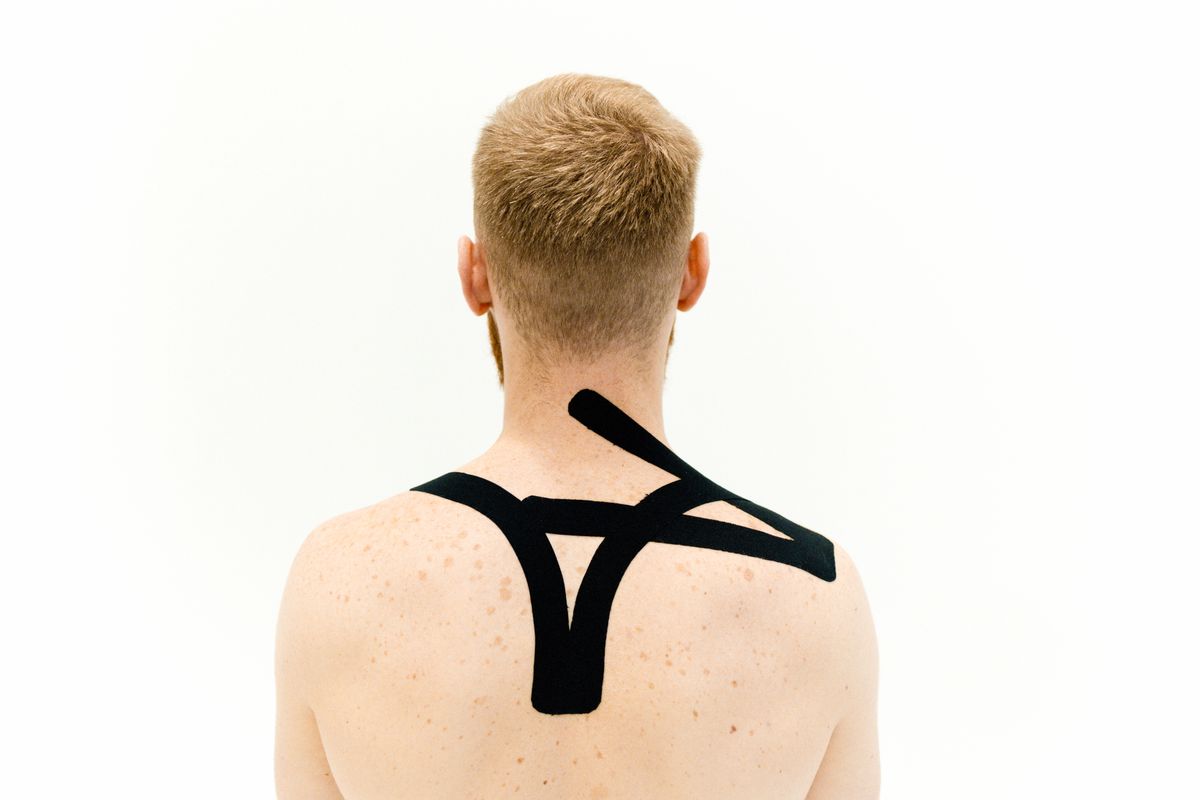
Photo by Maksim Goncharenok on Pexels
- Sedentary Desk Work: Sitting for 8+ hours without spinal support forces the thoracic spine into passive flexion.
- Tech Neck: Tilting your head forward to look at screens dramatically increases the effective weight supported by your upper back.
- Muscle Weakness: Weak upper back stabilizers fail to hold the shoulder blades flat against the rib cage.
- Lack of Movement: Infrequent changes in position reduce circulation and lock connective tissues into rounded posture patterns.
Immediate Posture Correction Techniques
To interrupt passive slouching immediately, perform the 'Chest Up, Shoulders Down' reset. Stand tall, pull your shoulder blades slightly backward and downward toward your back pockets, lift your sternum upward, and tuck your chin back slightly. Avoid arching your lower back to compensate; keep your core engaged to maintain a neutral pelvic tilt.
Stretches and Exercises for Upper Back Realignment
Consistent physical movement is essential to rebuild structural balance. Perform these routines daily:
Ergonomic Desk Setups to Prevent Slouching
Photo by Kindel Media on Pexels
Adjust your workstation so your body naturally defaults to optimal posture:
- Position the top of your computer monitor at or slightly below eye level.
- Keep your elbows bent at a 90-degree angle with wrist support.
- Place your feet flat on the floor or on a footrest to support pelvic stability.
- Set hourly movement reminders to reset your posture.
Utilizing the Straight Back Brace for Muscle Memory
While stretches strengthen internal muscles, external support tools like the Straight Back Brace provide tactile feedback that trains sensory awareness. Made from durable Neoprene & Breathable Mesh, the brace gently pulls the shoulders back into correct alignment whenever you begin to slouch. Wearing the device for 1-2 hours per day each day assists your brain and muscles in recognizing proper spinal posture, accelerating your overall realignment routine.
Long-Term Maintenance and Daily Posture Habits
Fixing a slouching upper back is an ongoing commitment. Combine targeted exercises, proper desk ergonomics, and regular wear of the Straight Back Brace to lock in permanent postural benefits. With daily consistency, you can reverse posture breakdown, relieve upper back strain, and stand tall with confidence.
Related in this cluster
- Why Is My Upper Back Slouching? Root Causes of Poor Posture
- 5 Effective Stretches to Stop Upper Back Slouching
- How to Fix Upper Back Slouching at Work: A Step-by-Step Desk Routine
- Posture Braces vs. Physical Therapy for Upper Back Slouching
- Straight Back Brace: Eliminate Slouching and Reclaim Your Posture
- Straight Back Brace FAQ: Fix Upper Back Slouching Questions Answered