
Straight Back Brace Solutions for Office Tension
 Jordan HaleStaff Writer
July 23, 2026. This narrative explores how the Straight Back Brace functions as a physical cue for upper back alignment. It is written for office professionals and individuals seeking to mitigate the physical toll of sedentary desk work.
I remember the exact sound of my mid-back popping as I reached for a lukewarm coffee at 3:00 PM. It was a dull, persistent ache that had become my constant shadow during ten-hour shifts at the laptop. My shoulders felt like they were slowly migrating toward my ears, a classic case of the "office slump" that many of us ignore until the discomfort becomes impossible to tune out. According to Health.com in their review of the Best Posture Correctors of 2026, many effective designs, like the FlexGuard, utilize a backpack-style structure to gently pull the shoulders back and provide support across the upper and mid-back. This mechanical intervention is often the only thing that breaks the cycle of unconscious slouching. When your muscles are fatigued, they stop holding you upright, and your skeletal structure begins to bear the load in ways it wasn't designed for. This often leads to the development of a neck hump corrector brace requirement if left unaddressed. The tension starts in the trapezius and radiates downward, creating a stiffness that makes every deep breath feel restricted. It turns out that the physical environment we inhabit for forty hours a week is the primary driver of these postural shifts. Without a external reminder to reset, the body simply accepts the rounded position as the new normal.
The first thing I noticed was the weight of the Straight Back Brace—or rather, the lack of it. It didn't feel like a heavy medical garment; it felt like a firm, reassuring pair of hands resting on my scapulae. Unlike some complicated rigs, this upper back straightener uses an adjustable clavicle support strap system that allows for a custom fit regardless of frame size. Somewhere around week two, I realized I wasn't fighting the brace anymore. Instead of forcing my body into a rigid, unnatural vertical, the device acted as a tactile boundary. When I began to lean into my monitor, the straps would tighten slightly against my chest and shoulders, prompting me to engage my core and sit back. This is particularly vital for those managing a hunchback corrector brace protocol to prevent long-term spinal curvature. The brace is designed to be discreet enough for office wear, fitting under a blazer or a loose sweater without the bulk associated with traditional lumbar supports. For women specifically, the search for a back brace for posture women often leads to bulky options, but the streamlined profile here focuses specifically on the thoracic region. It addresses the common "tech neck" phenomenon by stabilizing the base of the neck, which is a key component of a thoracic kyphosis brace strategy. By focusing on shoulder alignment, the brace helps distribute the weight of the head more evenly over the spine, reducing the strain on the upper back muscles that typically work overtime to keep us looking forward.
I keep coming back to the idea that a brace is a training tool, not a permanent crutch. Choosing the right support requires a framework that balances comfort with corrective force. When evaluating an upper back straightener, the priority should be the quality of the tension—it should feel like a lift, not a squeeze. If you are already looking into a hunchback corrector brace or specific thoracic kyphosis brace options, you know that the goal is muscle memory. As noted by the experts at The Natural Posture, a comprehensive support brace works by training your muscles to maintain proper posture over time. This transition from external support to internal strength is the hallmark of a successful ergonomic intervention. To ensure the brace serves its purpose without causing secondary issues, consider the following transition framework:
- Start with 20-30 minute intervals to avoid muscle atrophy and allow the skin to adjust to the strap tension.
- Ensure the straps are tightened enough to provide a "pull-back" sensation without cutting off circulation or causing numbness in the arms.
- Check that the material is breathable, especially if you plan to wear it during commutes or in warmer office environments.
- Coordinate the use of the brace with desk stretches to ensure the muscles remain supple while they are being retrained.
- Monitor the alignment of your ears over your shoulders; the brace should facilitate this vertical stack naturally.
- Use the brace during your most high-slump activities, such as late-afternoon typing or during long commutes.
Sources
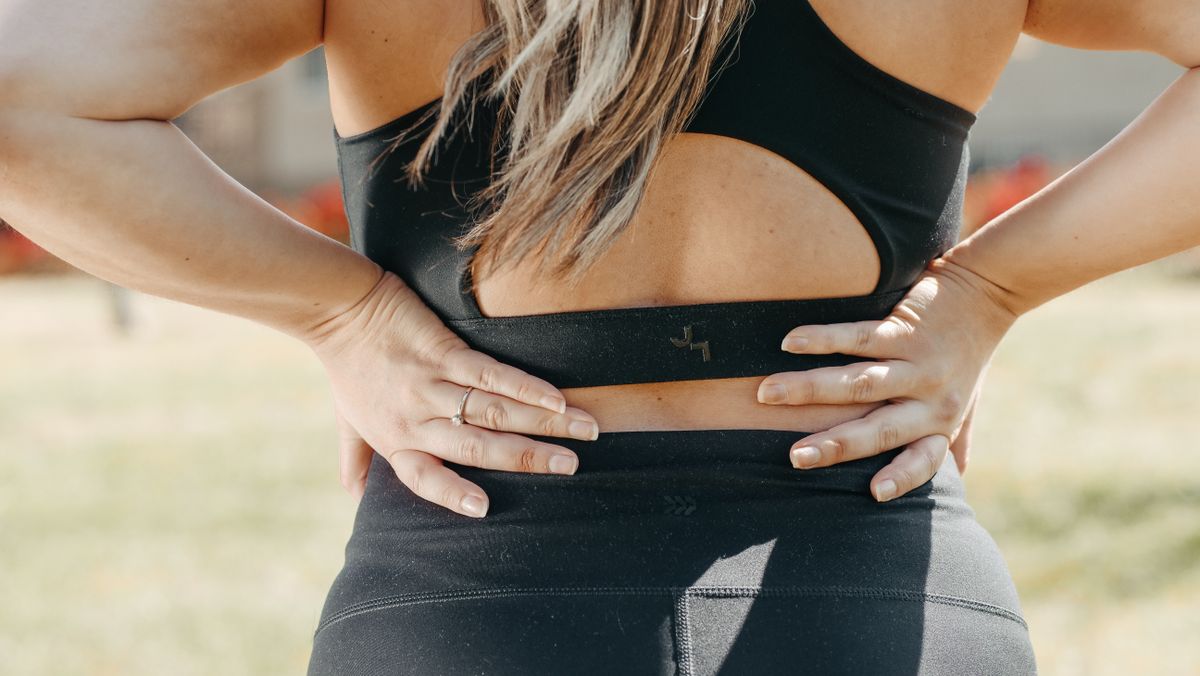
Photo by Kindel Media on Pexels
- Don't Buy a Posture Correction Brace - Do THIS lnstead
- The 8 Best Posture Correctors of 2026
- Complete Back Care Support Brace for Posture Correction