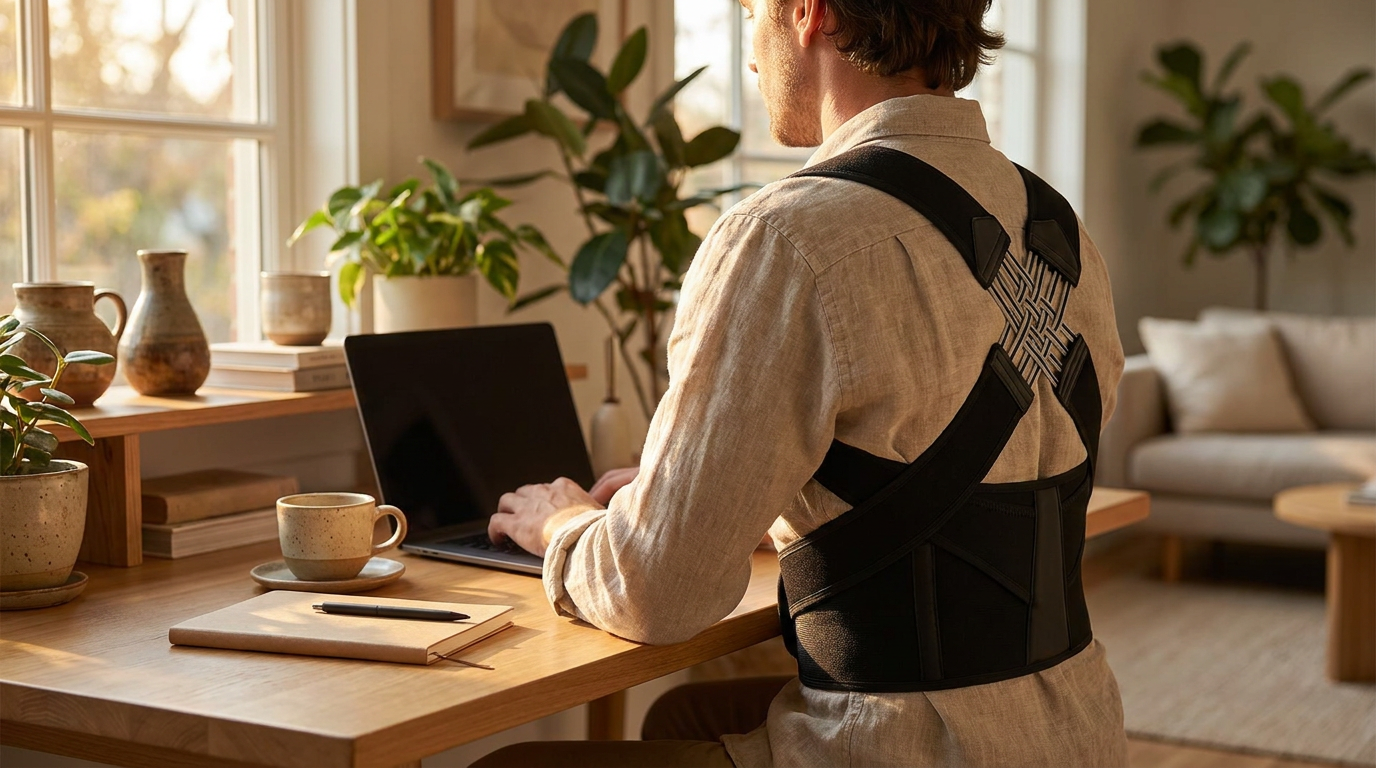
Straight Back Brace Field Test for Remote Work Ergonomics
 Daniel OkaforField Tester
July 23, 2026 — Remote workers are increasingly adopting ergonomic interventions to mitigate the physical strain of home office environments. I spent the last fourteen days testing how the Straight Back Brace integrates with standard desk setups to address the persistent slouching often found in makeshift workspaces.
I tested this for two full work weeks at a standard 29-inch fixed-height desk. According to We Work Remotely, a foundational ergonomic rule is ensuring your desk height allows for a 90-degree elbow angle while typing. While I adjusted my chair to meet this requirement, I found that as the afternoon wore on, my shoulders naturally rolled forward. Day three is where I noticed the brace actually doing its job; rather than forcing me into a rigid position, the tension served as a physical cue to engage my core whenever I drifted away from that 90-degree ideal.
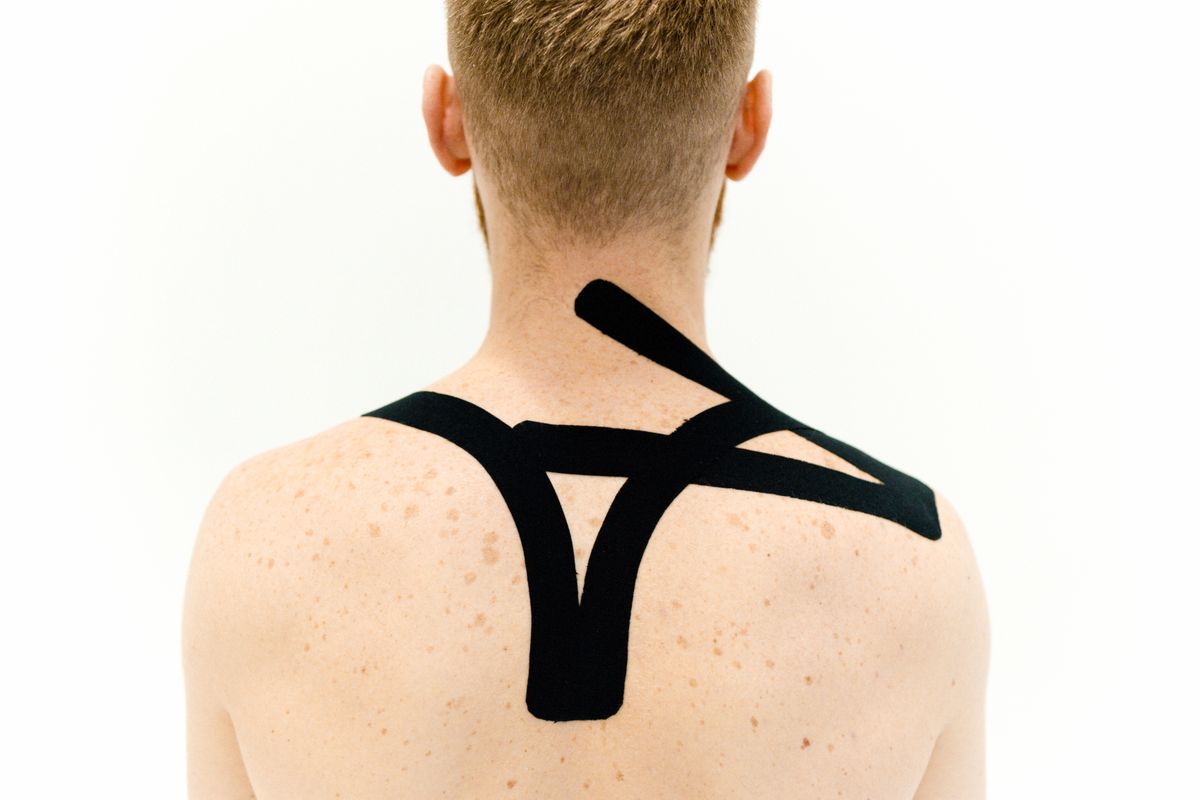
Photo by Maksim Goncharenok on Pexels
What surprised me: the brace didn't interfere with the 'neutral wrist position' recommended by Pain and Injury. Often, bulky posture supports can push your arms into awkward angles, but this stayed flush against my mid-back. During my testing, I focused on our Straight Back Brace: Our Commitment to Posture Health to ensure I wasn't over-relying on the gear. It is a tool for reinforcement, not a replacement for muscle engagement.
I also followed the University of Alaska’s ergonomic checklist, which suggests keeping the top of the monitor screen aligned with seated eye height. Even with a monitor riser, I still found myself leaning in. Here's the moment it earned its place: about four hours into a deep-focus writing session, the straps provided just enough resistance to stop that 'turtle-neck' lean toward the screen. To stay comfortable, I paired the brace with Straight Back Brace Solutions for Hidden Posture Correction techniques, wearing it over a thin undershirt to prevent any chafing during long stretches of sitting.
Expert tip: Do not cinch the straps to maximum tightness immediately. Start with a loose fit for 30 minutes, then gradually increase tension. This mimics the Straight Back Brace Design for Discreet Daily Wear philosophy of building long-term habits. If you feel numbness in your arms, the straps are too tight and are likely compressing the nerves near your armpits.
What I’d do differently is incorporate more of the '20-20-20 rule' mentioned by We Work Remotely earlier in the week. While the brace helps with alignment, it doesn't replace the need for movement. I found that combining the brace with our Straight Back Brace: Our Commitment to Posture Health principles of active recovery made the biggest difference in my lower back fatigue by the end of the day.
Maintaining a neutral spine while working remotely requires a combination of the right furniture and consistent physical feedback. The Straight Back Brace provides that feedback without the bulk of traditional medical supports.