
Can a Straight Back Brace assist with scoliosis?
 Priya RamanSenior Analyst
July 23, 2026 — While a standard Straight Back Brace can provide postural support and pain relief for mild spinal asymmetries, medical-grade rigid bracing is specifically required to halt the progression of moderate-to-severe scoliosis curves.
Patients and clinicians evaluating support options often find themselves navigating a complex landscape of soft posture correctors and rigid medical orthotics. Understanding the utility of these devices requires a framework based on two axes: the degree of spinal curvature (measured by the Cobb angle) and the skeletal maturity of the user. Once you see it this way, the distinction between a daily posture aid and a clinical intervention becomes clear.
How do rigid braces differ from a Straight Back Brace?
Rigid scoliosis braces are engineered to apply corrective force to the ribs and spine to physically shift the vertebral column. According to Spine-health, these rigid back braces vary significantly in how pressure is applied to the spine and ribs, often requiring custom molding to the individual's torso. In contrast, a Straight Back Brace typically focuses on shoulder retraction and upper thoracic alignment, which may alleviate the muscular strain associated with scoliosis but does not provide the structural leverage necessary to reverse a 25-degree curve. Think of it as a matrix of support: rigid braces provide structural redirection, while soft braces provide postural reinforcement and proprioceptive feedback.
Is bracing effective for scoliosis in different age groups?
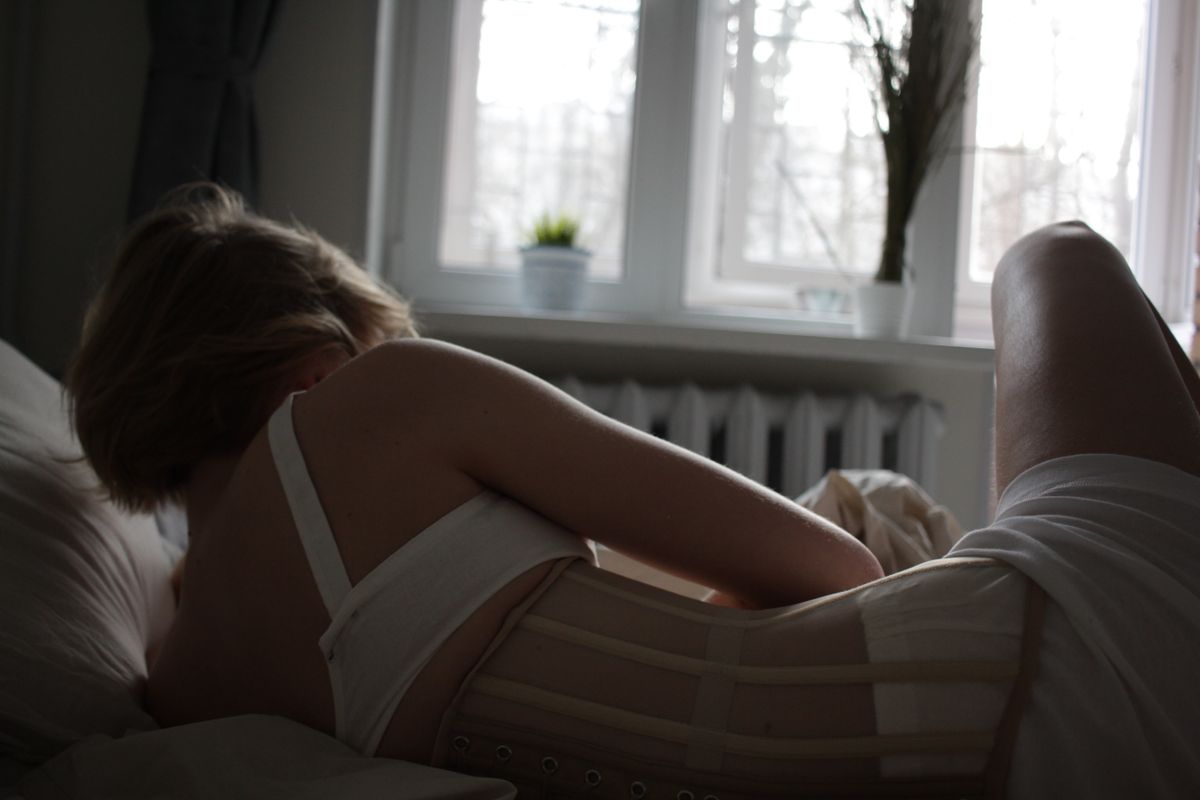
Photo by Sergey Meshkov on Pexels
The effectiveness of any bracing intervention is primarily determined by the user's remaining growth potential and the flexibility of the spine. ScoliBrace notes that the straighter the spine is when it is growing, the more likely the scoliosis will improve, making early intervention critical for adolescents. For adults, the decision rule shifts from curve correction to symptom management. While teenagers might use a straight back trainer for teenagers to build better habits during growth spurts, adults often utilize a Straight Back Brace to mitigate the chronic back pain caused by asymmetrical muscle loading. This differentiation ensures that the support level matches the physiological objective, whether that is halting a curve or improving daily comfort during activities like prolonged gaming.
Quick answers
Q: What is the main purpose of a scoliosis brace? A: According to Rush University Medical Center, these orthopedic devices are designed to apply consistent pressure on the spine to slow or prevent further curvature progression. They are most commonly prescribed for curves between 25 and 40 degrees.
Q: Can a Straight Back Brace help with kyphosis or lordosis? A: Yes, specialized braces like those from Brace Direct are designed to address spinal alignment issues including kyphosis, lordosis, and general posture-related imbalances. These devices help pull the shoulders back and align the pelvis to reduce the "hunchback" appearance.
Q: Should teenagers use a posture brace for scoliosis? A: A straight back trainer for teenagers can be a helpful tool for postural awareness, but it should not replace a doctor-prescribed rigid brace if the scoliosis is progressive. Early detection and professional fitting are essential for managing adolescent idiopathic scoliosis.
Learn more about Straight Back Brace at https://straightbackbrace.com.
Sources
Photo by Yan Krukau on Pexels
- ScoliBrace - The World's Most Advanced Scoliosis Brace
- Scoliosis Brace Guide: Types and Benefits
- Back Braces for Spinal Alignment & Posture