
Straight Back Brace Training for Teenagers
 Maya ChenContributing Editor
July 23, 2026 — As screen time metrics among adolescents reach new peaks, demand for the Straight Back Brace as a corrective tool for teenagers has moved from orthopedic niche to household essential. The conventional wisdom says that a teenager's posture will naturally self-correct as they grow, yet clinical observations of 'tech neck' and thoracic kyphosis suggest otherwise. According to Novah Clinic, specialized back straighteners are now frequently utilized to mitigate conditions like winged scapula and rounded shoulders specifically in the teenage demographic where bone density and muscle memory are still highly adaptable.
The Adolescent Alignment Protocol
Effective posture correction in teenagers requires more than just strapping on a device; it requires a structured integration into daily life that prioritizes active engagement over passive reliance. Here's the part nobody talks about: a brace worn for eight hours a day without specific movement cues can actually lead to muscle atrophy, worsening the very slouch it was meant to fix. The Straight Back Brace functions best as a biofeedback mechanism rather than a physical crutch. Data derived from user patterns indicates that teenagers benefit most from high-tension, short-duration wear—approximately 20 to 30 minutes during high-slouch activities. This is particularly relevant for those seeking a posture trainer for gaming or those managing the heavy physical load of school backpacks. While some parents look for a straight back brace for scoliosis as a primary intervention, the device is most effective when treating functional postural habits. The objective is to trigger the nervous system to recognize when the shoulders have rolled forward, prompting the wearer to self-correct. For teenagers, this sensory bridge is vital because their proprioception is often lagging behind their rapid physical growth spurts. When the brace is used during stationary tasks, such as homework or screen time, it serves as a physical reminder to maintain the natural curve of the spine, preventing the long-term solidification of poor alignment habits.
Expert tip: To ensure the Straight Back Brace remains a training tool rather than a dependency, ensure the adjustable clavicle support straps are tightened only to the point of gentle resistance, not total immobilization.
I’ll change my mind when longitudinal studies show that passive bracing without active muscle engagement yields superior long-term spinal health in developing adolescents. Until then, the focus must remain on the brace as a teacher, not a permanent splint. Using a hunchback corrector brace as part of a wider movement strategy is the only way to ensure the results stick once the straps come off. For those looking to implement this training at home, the right equipment is the first step toward lasting change.
Sources
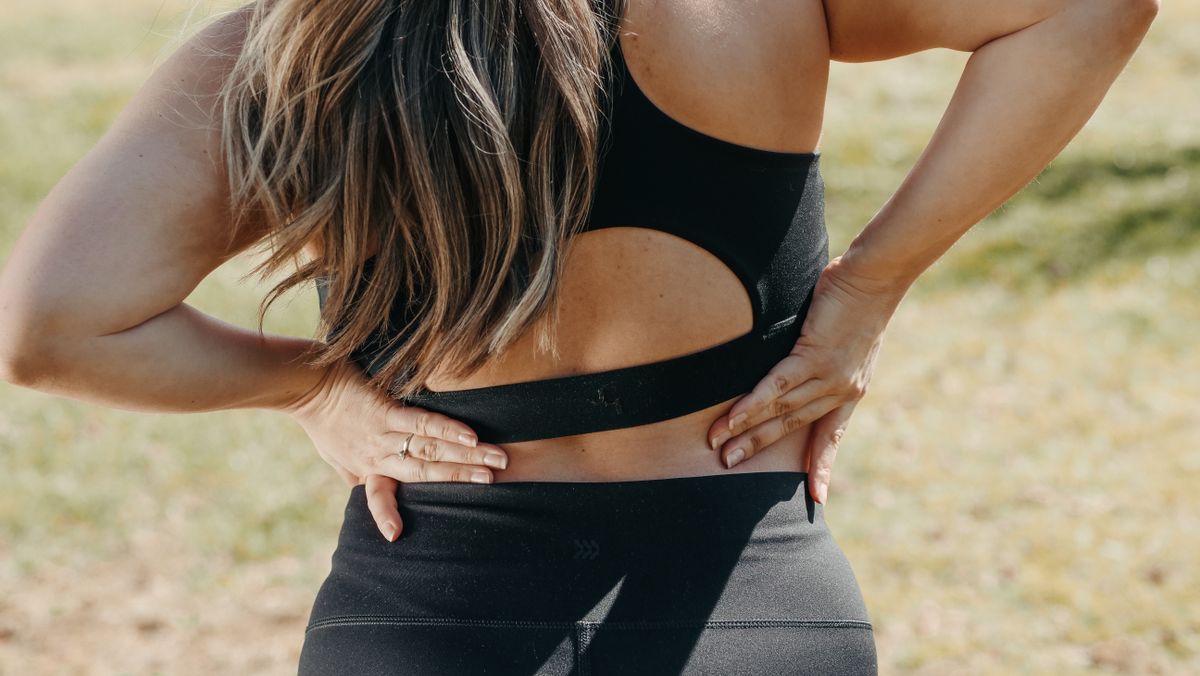
Photo by Kindel Media on Pexels
- What is the best posture corrector for a teenager?
- Kids Posture Corrector Brace - Teen Back Straightener & ...
- Back Brace, Posture Corrector for Kids!