Straight Back Brace Lifting Posture Support Comparison
 Sam VasquezBuying Guide Lead
July 24, 2026 — The move toward functional ergonomics is shifting how we view the Straight Back Brace in the context of heavy lifting and daily labor. While many people associate posture correction with office work, the demand for stabilization during physical activity has led to a crossover between medical-grade alignment and athletic support. Hospital for Special Surgery experts note that these correctors can help activate underused muscles by providing a physical guide for where the body needs to be during movement.
The Three-Point Stability Check
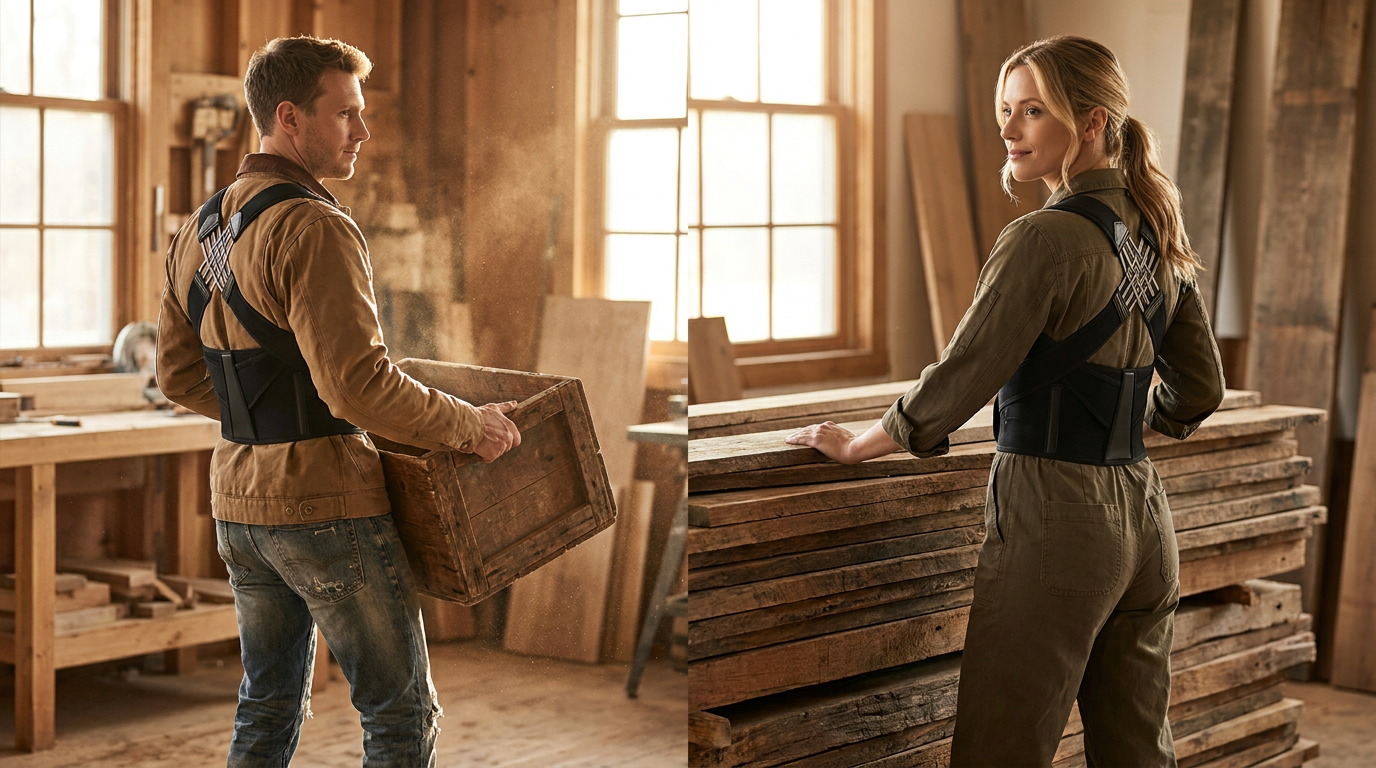
When evaluating a lifting posture support belt, I look at three specific criteria: lumbar rigidity, shoulder retraction, and breathability. Traditional lifting belts, such as those categorized by Rehband, focus almost exclusively on intra-abdominal pressure to protect the spine during a heavy squat or deadlift. These are excellent for the gym but fail to address the upper thoracic slouch that many people experience once they step away from the barbell. In contrast, the Straight Back Brace offers a dual-action approach. It provides the necessary lower back reinforcement while simultaneously pulling the shoulders back to prevent the rounded torso often seen in manual labor.
Between these two, I’d go with the Straight Back Brace if your day involves a mix of lifting boxes and sitting at a desk, as it manages both the lumbar and the thoracic regions. If you are strictly doing powerlifting, a dedicated 10mm leather belt is better, but it won't fix your hunchback during the drive home. For those managing specific conditions, the research highlights that a straight back brace for scoliosis or general postural fatigue needs to be adjustable enough to wear over or under clothing without restricting the diaphragm. Skip this if you already have a custom-molded medical orthotic prescribed by a surgeon, as over-the-counter supports aren't meant to replace clinical hardware. If you're on a budget, focusing on a basic lumbar wrap might save a few dollars, but you lose the clavicle alignment that prevents long-term neck strain.
Expert tip: When using a lifting posture support belt for the first time, tighten the lower lumbar section first to establish a base, then adjust the shoulder straps to 70% tension to avoid cutting off circulation while still reinforcing the adjustable clavicle support strap mechanism.
Choosing the right gear depends on your primary movement patterns. For most users looking to combat a hunchback corrector brace profile while maintaining the ability to lift safely, the hybrid design of a Straight Back Brace and the Clavicle Support Belt Strategy provides the most utility. It is often more effective than a simple adjustable clavicle support strap because it anchors the correction to the hips. Here’s what I’d actually buy: the full-length Straight Back Brace, because it addresses the root of the slouch rather than just the symptoms at the shoulders.
Sources
Photo by Maksim Goncharenok on Pexels
- Back Braces & Lumbar Support for Training
- Complete Back Care Support Brace for Posture Correction
- Do Posture Correctors Work? Expert Advice from a PT