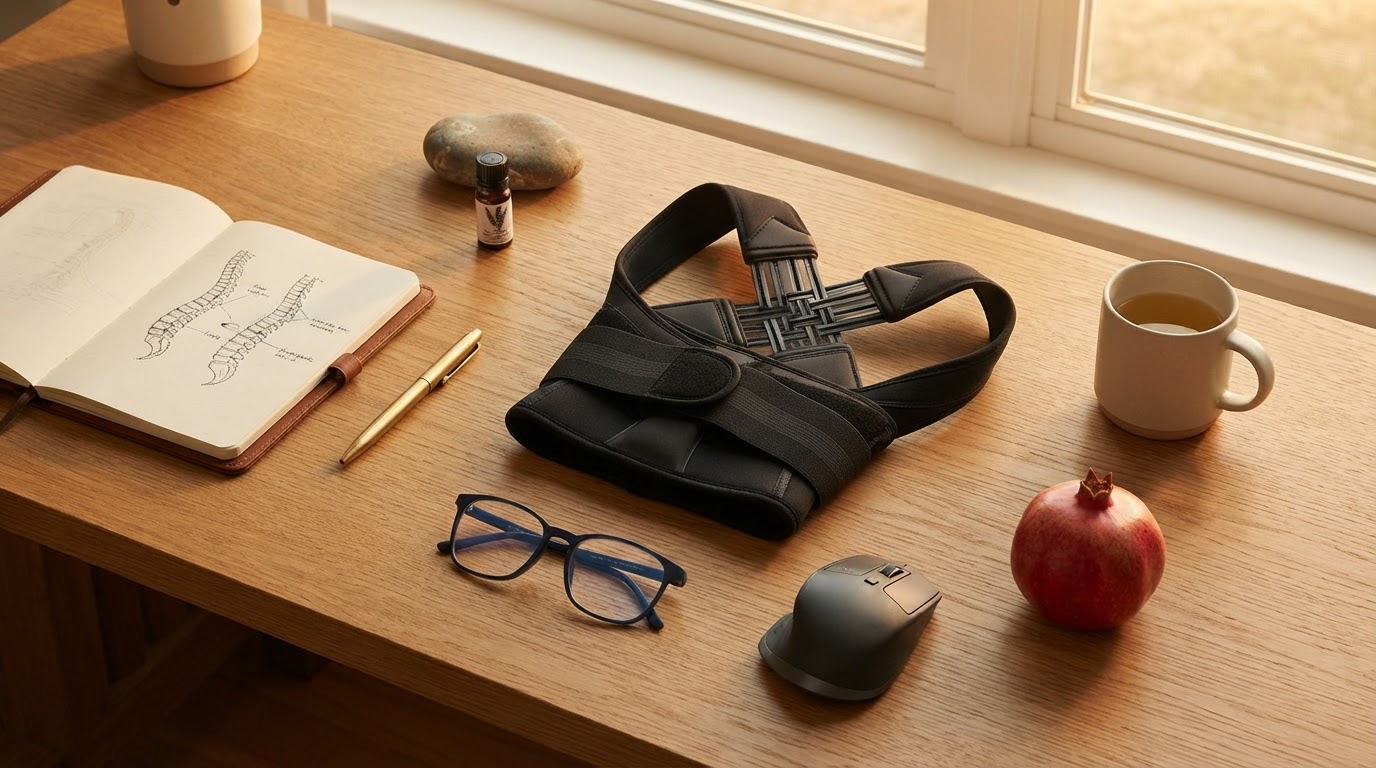
Straight Back Brace Solutions for Postural Integrity
 Priya RamanSenior Analyst
August 3, 2026. This analysis examines the mechanics of back brace straighteners and their application in modern ergonomic environments. It is intended for individuals seeking to understand the structural benefits of wearable spinal support.
The Mechanics of Spinal Misalignment
Postural degradation often results from a combination of physiological habituation and environmental factors. When the body remains in a kyphotic state—characterized by rounded shoulders and a forward head position—the musculoskeletal system undergoes significant stress. According to BraceAbility, back straighteners serve as essential aids in training the body to maintain a neutral spine, effectively counteracting the long-term effects of slouching. This mechanical intervention is not merely about aesthetic alignment; it addresses the underlying tension in the trapezius and rhomboid muscles that occurs when the thoracic spine deviates from its natural curve.
Think of it as a matrix of structural tension and muscular memory. On one axis, we have the passive support provided by external bracing; on the other, the active engagement of the user's core and back muscles. The goal of a back brace straightener is to bridge the gap between these two states. Without intervention, the body tends to follow the path of least resistance, which usually involves collapsing into a seated slump. This position places undue pressure on the intervertebral discs and can lead to chronic nerve compression over time. By introducing a consistent external cue, the nervous system begins to recalibrate what it perceives as a "normal" resting position. This process of proprioceptive feedback is critical for long-term correction, as it ensures the user remains aware of their posture even when the brace is not in use. The objective is to move from a state of unconscious incompetence regarding posture to one of conscious competence, and eventually, habituated alignment.
Straight Back Brace Integration and Performance
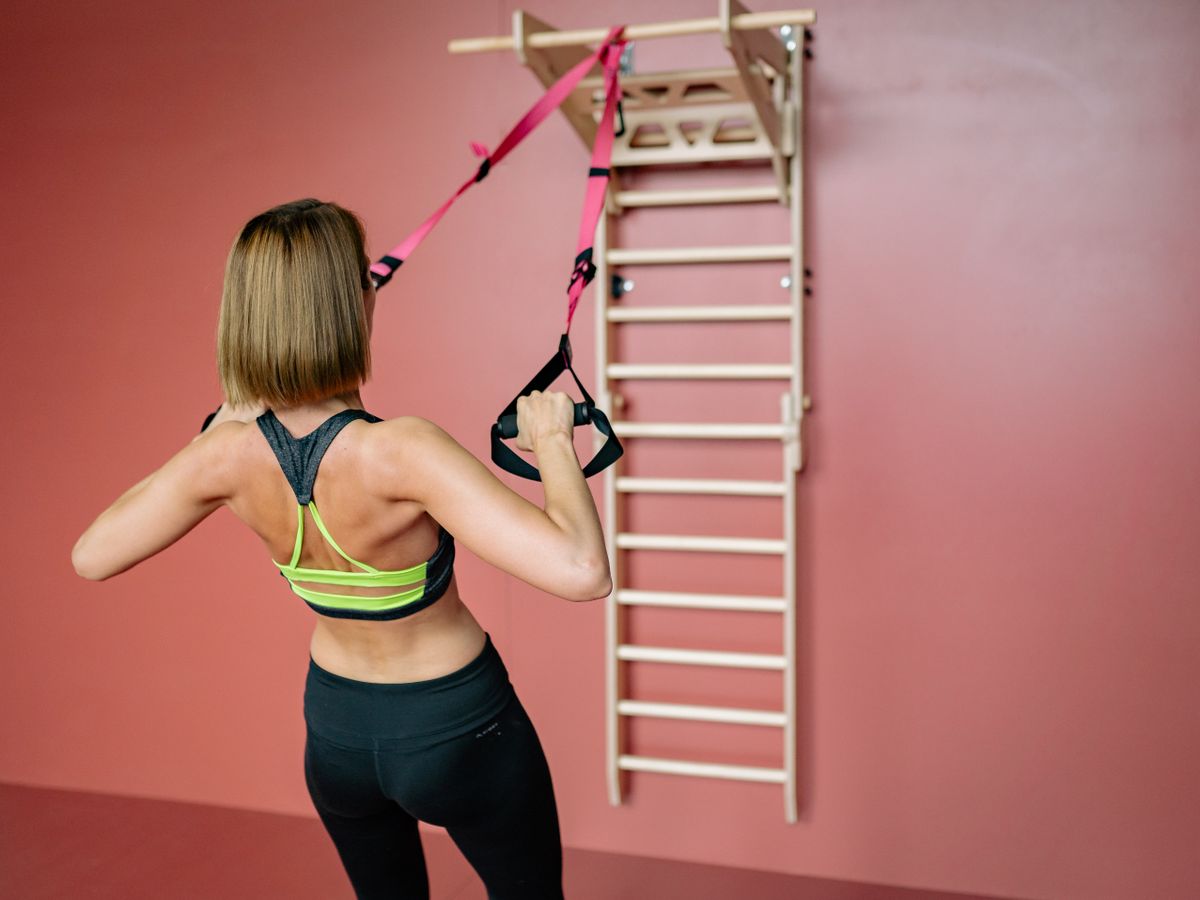
Photo by Yan Krukau on Pexels
The Straight Back Brace is engineered to address these structural deficits through a calibrated tension system. Unlike generic supports that may cause discomfort or restrict breathing, this design focuses on the specific vectors of force required to retract the scapulae without immobilizing the torso. The device utilizes a breathable, adjustable framework that allows for incremental adjustments to the level of support provided. This is particularly relevant for users who transition between different physical demands throughout the day, such as moving from a desk-bound environment to active walking.
Two axes matter here: the degree of compression and the duration of wear. The Straight Back Brace allows users to manipulate these variables to suit their specific recovery or maintenance phase. For instance, during the initial stages of use, a higher degree of compression for shorter intervals can help reset the muscle memory. As the back muscles strengthen, the tension can be reduced, allowing the body to take on more of the structural load independently. This transition is supported by the brace's low-profile construction, which enables it to be worn under standard clothing without significant visibility. The materials used are selected for their durability and skin-friendly properties, ensuring that the intervention does not lead to secondary issues like skin irritation or overheating. By focusing on the intersection of comfort and corrective force, the Straight Back Brace facilitates a sustainable approach to spinal health that many bulkier alternatives fail to achieve. It acts as a constant, gentle reminder to the wearer, reinforcing the correct alignment of the cervical and thoracic regions throughout the day.
Selection Criteria and Decision Framework
Once you see it this way—as a tool for functional retraining rather than a permanent crutch—the selection process becomes significantly clearer. The decision rule for choosing a back brace straightener should be based on the balance between corrective rigidity and daily utility. A device that is too rigid will lead to muscle atrophy, while one that is too flexible will fail to provide the necessary feedback for change. Health.com notes that the most effective posture correctors are those that provide enough support to reduce pain while remaining comfortable enough for consistent use.
When evaluating your options, consider the following checklist to ensure the brace meets your specific physiological needs:
- Adjustability: Does the brace allow for fine-tuned tension control as your posture improves?
- Breathability: Is the fabric suitable for multi-hour wear in various climates?
- Profile: Can the device be worn discreetly under professional or casual attire?
- Ease of Application: Can you put on and adjust the brace without external assistance?
- Support Zone: Does the brace target the specific area (thoracic vs. lumbar) where you experience the most deviation?
- Material Quality: Are the straps and fasteners designed to withstand daily tension without fraying?
Sources
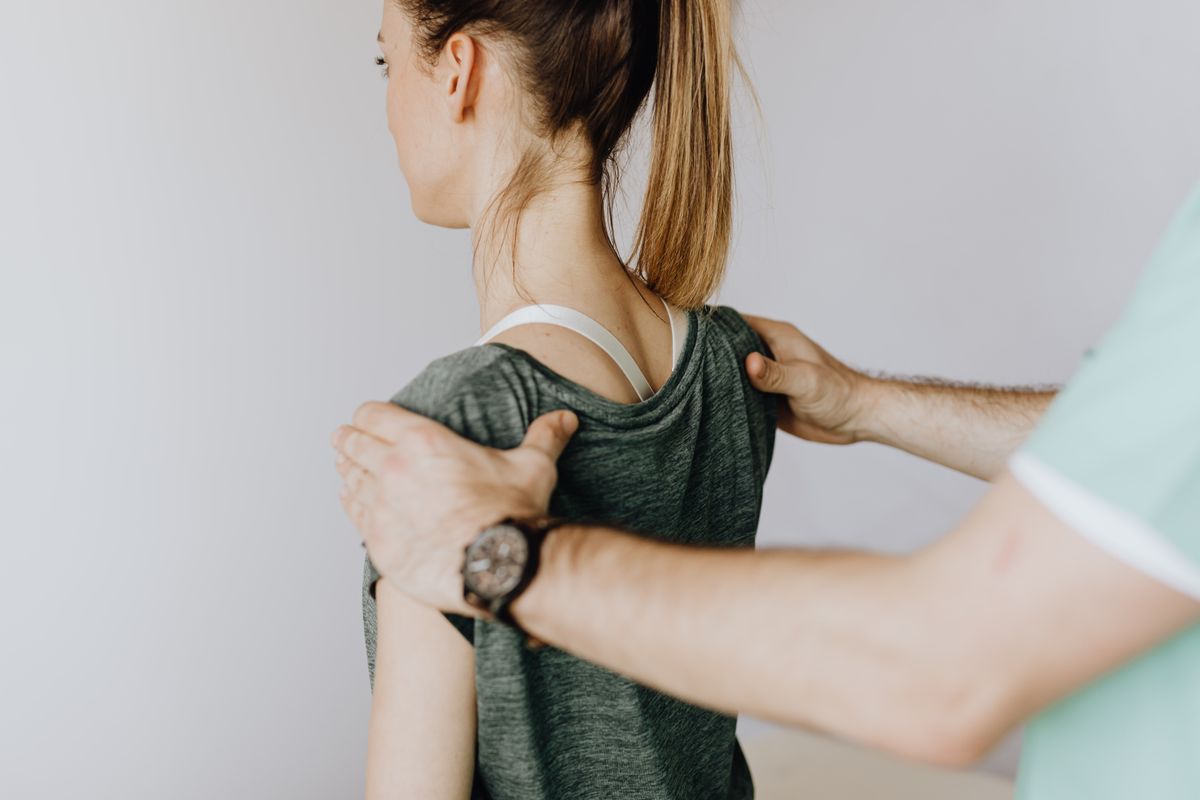
Photo by https://kaboompics.com/ on Pexels
- Back Straighteners | Braces to Straighten Posture ...
- Back Brace Straightener
- Complete Back Care Support Brace for Posture Correction