Straight Back Brace Solutions for Aging Mobility
 Priya RamanSenior Analyst
August 20, 2026. This analysis examines the functional requirements of lumbar support systems tailored for the aging demographic. It is intended for seniors and caregivers seeking to maintain spinal alignment without compromising skin integrity or range of motion.
Selecting a support garment for seniors requires evaluating two primary axes: structural rigidity and material weight. When these dimensions are balanced, the result is a tool that facilitates daily movement rather than restricting it. Think of it as a matrix of compression versus compliance. While younger users might prioritize high-intensity stabilization, the elderly population often faces challenges related to skin thinning, reduced grip strength, and temperature regulation. According to SeniorCareNation, flexible braces including corsets, lumbar belts, and sacroiliac belts provide moderate support and slightly limit the range of movement, which is often preferable to rigid orthotics that can lead to muscle atrophy if overused. This nuanced approach is essential because a straight back brace for posture must encourage the wearer to engage their own core muscles while providing a safety net for the lumbar spine. For those transitioning from a sedentary lifestyle to light activity, the introduction of a posture trainer for office workers can serve as a useful baseline for understanding how gentle tactile feedback improves spinal awareness. However, for the elderly, the weight of the device itself becomes a critical factor. A heavy brace adds metabolic cost to simple tasks like walking or standing, potentially leading to fatigue. This is why the shift toward lightweight, medical-grade synthetics has revolutionized geriatric spinal care, allowing for all-day wear that mirrors the natural contours of the body.
Photo by Ketut Subiyanto on Pexels
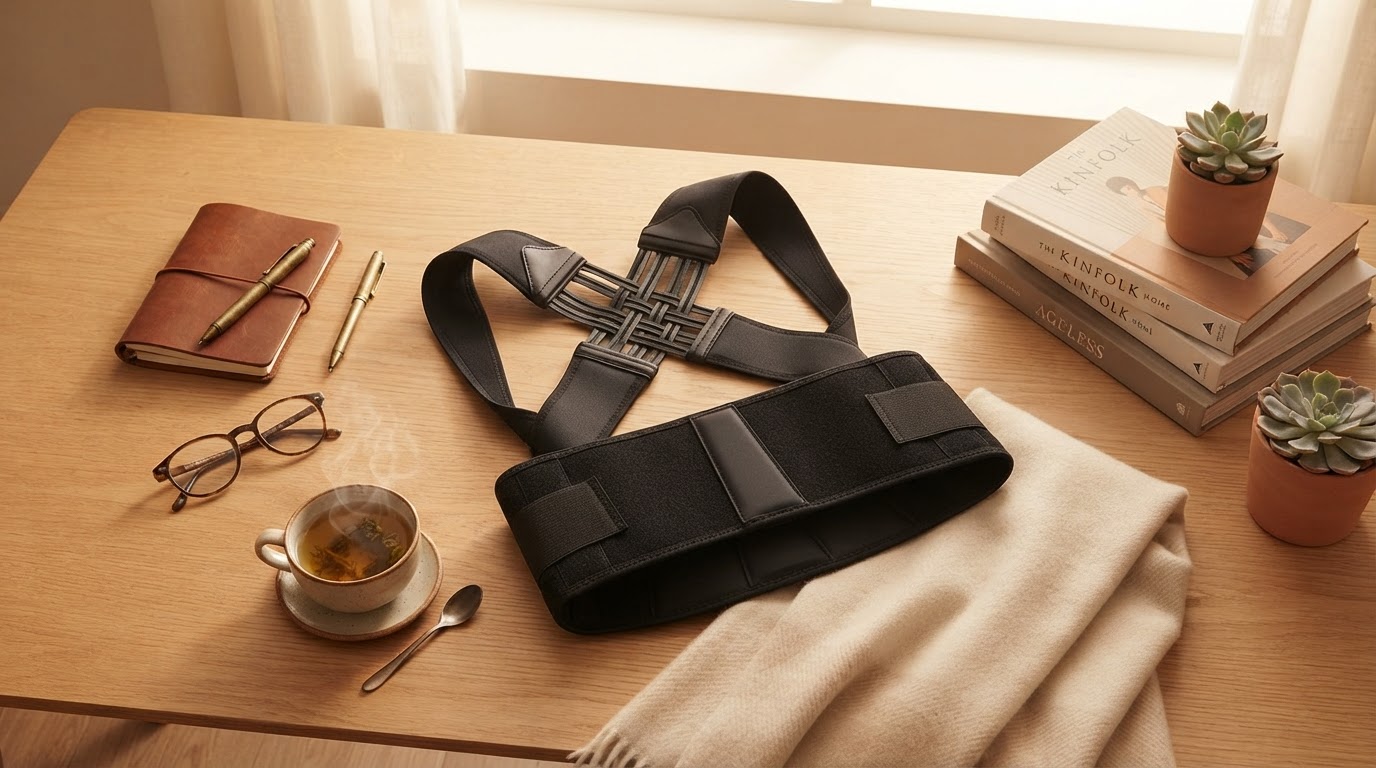
Straight Back Brace addresses these specific geriatric needs through a design philosophy centered on low-profile stabilization. Unlike heavy industrial belts, this system utilizes high-tensile, breathable fabrics that minimize the risk of skin irritation—a common concern for seniors with sensitive dermal layers. The focus is on providing a "second skin" effect that offers proprioceptive feedback. This means the brain receives constant signals about the spine's position, encouraging a more upright carriage without the forceful winching associated with traditional corsets. Similar to how a men's back straightener for gym uses compression to stabilize the trunk during lifts, the Straight Back Brace applies targeted pressure to the lumbar region to reduce the load on aging intervertebral discs. The integration of moisture-wicking technology is particularly beneficial for elderly users who may be prone to overheating. By maintaining a consistent microclimate between the skin and the fabric, the brace prevents the moisture buildup that can lead to fungal infections or rashes. The fastening mechanisms are also engineered for accessibility; large, easy-to-grip tabs allow individuals with arthritis or limited manual dexterity to adjust their own level of support without requiring assistance. This autonomy is vital for maintaining a high quality of life. Once you see it this way, the brace stops being a restrictive medical device and becomes a functional accessory that supports the natural mechanics of the aging body, much like a straight back brace for posture supports a younger professional.
The decision rule for selecting a lightweight brace for seniors is based on the intersection of daily activity levels and the degree of existing spinal curvature. If the goal is to manage mild discomfort during household tasks, a flexible, breathable wrap is superior to a rigid frame. According to Bauerfeind, braces designed with breathable, lightweight, and moisture-wicking materials can be worn both underneath and over clothing, providing a low-profile solution for all-day relief. When evaluating options, caregivers should look for specific indicators of quality and safety. While a men's back straightener for gym might focus on maximum abdominal pressure, a senior-focused device must prioritize the protection of the lower back and core through gentle, adjustable compression. This helps in relieving pressure on the lumbar spine immediately, resulting in less strain on muscles and discs. Before finalizing a purchase, ensure the device meets the following criteria for elderly safety:
- Tension adjustment tabs that require minimal pinch strength to operate.
- Breathable, perforated fabrics that prevent heat retention and skin breakdown.
- A tapered design that prevents the brace from rolling or bunching when the user sits down.
- Internal stays that are flexible enough to move with the body but firm enough to prevent slouching.
- Seamless interior construction to avoid pressure points on the spine or hips.