Why Upper Back Hurts When Slouching: Complete Causes and Relief Guide
Why Upper Back Hurts When Slouching: Complete Causes and Relief Guide
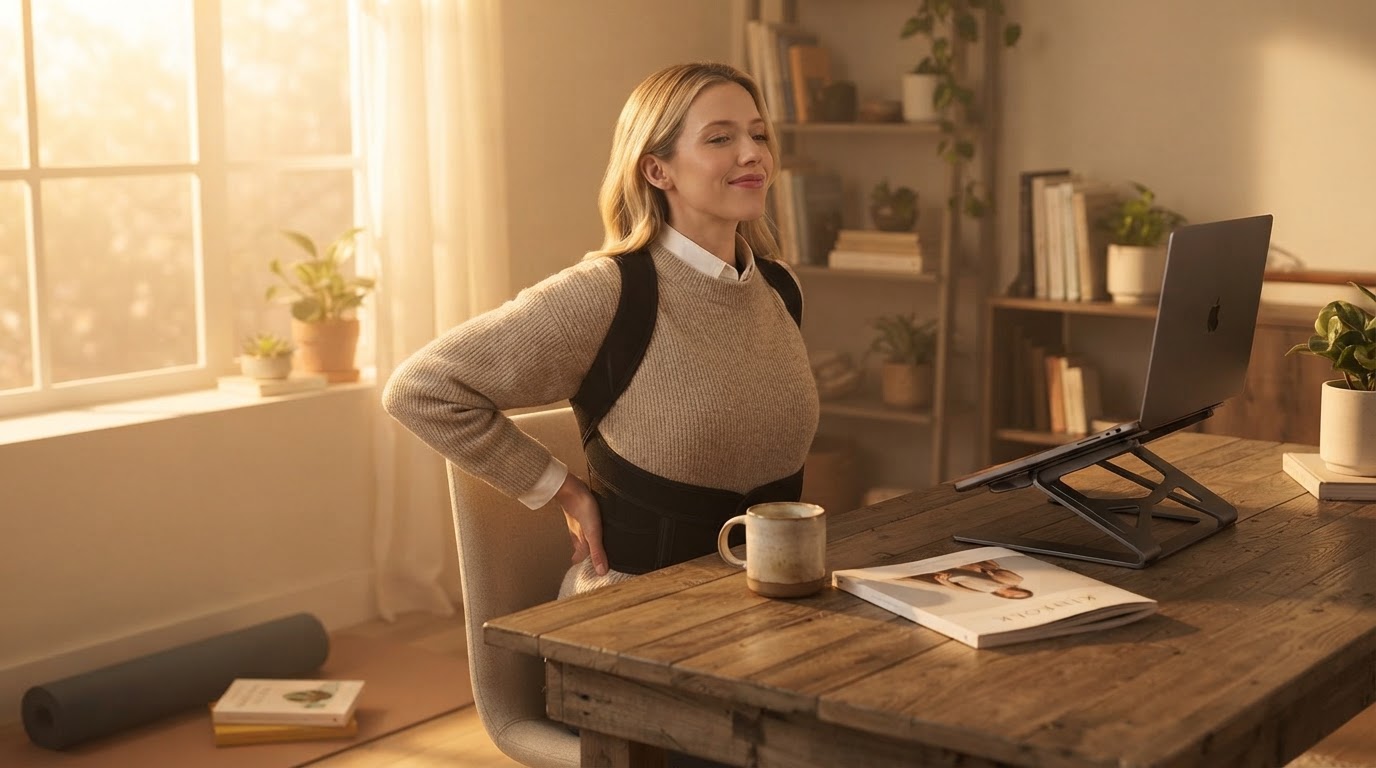
If you find yourself asking why upper back hurts when slouching, you are experiencing one of the most common physical complaints of the modern digital age. Poor posture puts intense strain on the thoracic spine, surrounding spinal muscles, and supportive ligaments. When you hunch forward over a computer desk or mobile device, your head shifts forward out of its natural neutral alignment.
Anatomy of Slouching: What Happens to Your Upper Back
The average human head weighs between 10 and 12 pounds in a neutral upright position. However, as your neck angles forward during slouching, the effective weight placed on your upper back and neck increases exponentially. At a 45-degree forward tilt, your thoracic spine must support nearly 50 pounds of force.
This continuous forward strain forces the muscles of the upper back—including the rhomboids, middle trapezius, and levator scapulae—to overwork continuously. Instead of resting in a balanced state, these muscles stay locked in a stretched, fatigued contracture just to keep your torso upright.
Primary Causes of Slouching-Related Upper Back Pain
Understanding why upper back hurts when slouching requires looking at several intersecting ergonomic and physical factors:
Long-Term Consequences of Poor Desk Posture
Ignoring early signals of upper back discomfort can lead to systemic musculoskeletal changes. Chronic thoracic strain can cause tension headaches, nerve impingement, reduced lung capacity due to chest compression, and structural stiffness that persists even when standing upright.
Immediate Steps to Relieve Upper Back Strain
To break the cycle of posture-induced aching, implement small structural adjustments throughout your workday:
- Position monitor height so your eyes rest on the top third of the display screen.
- Take micro-breaks every 30 minutes to roll your shoulders back and perform chest opener stretches.
- Engage your core muscles while seated to relieve force from your thoracic spine.
Posture Retraining and Support Solutions
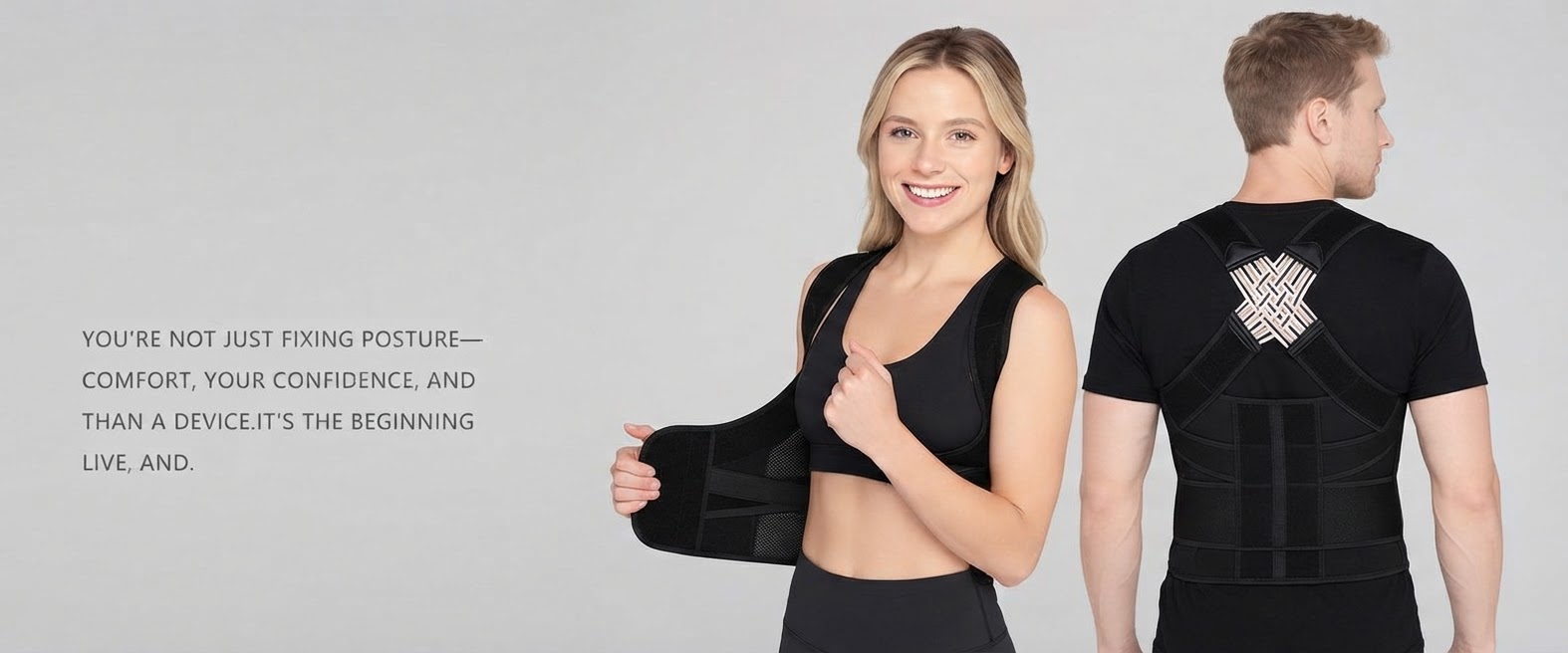
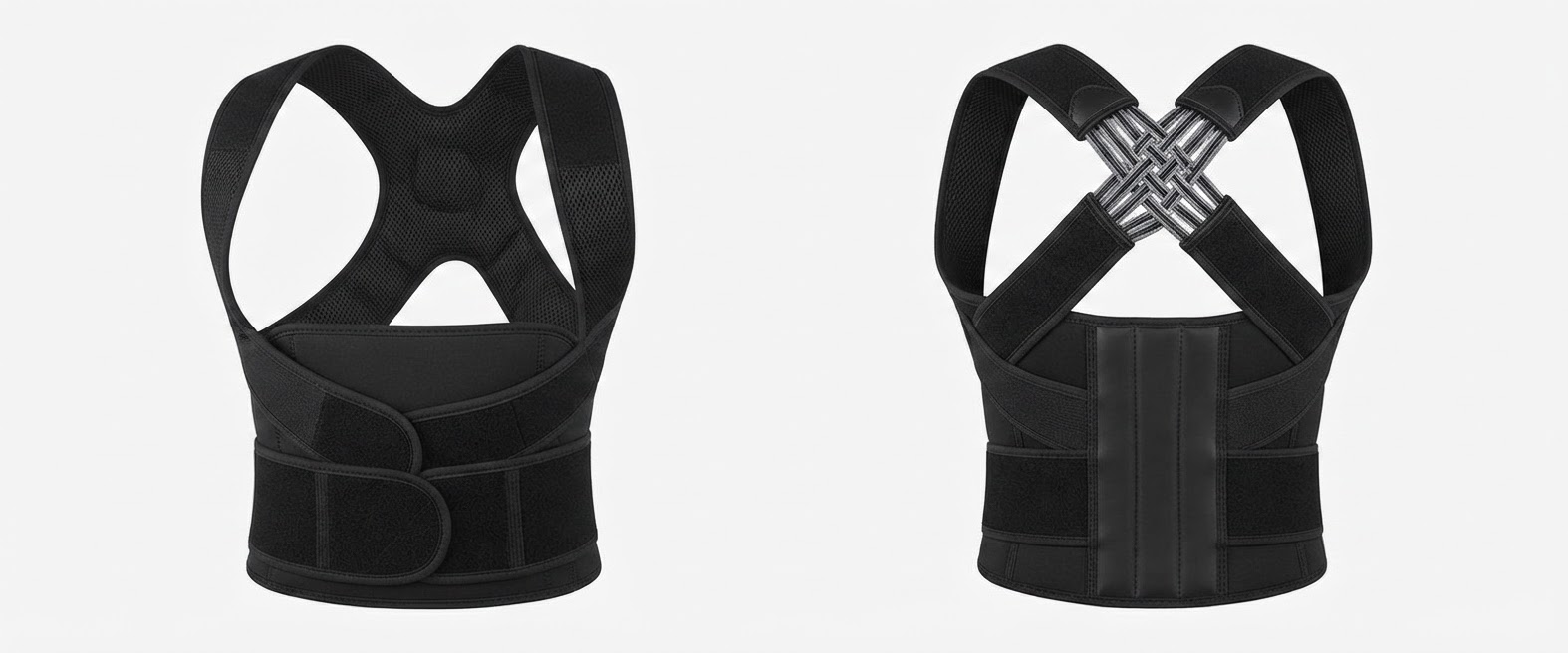
Retraining muscle memory requires consistent physical cues. External alignment aids, such as the Straight Back Brace, provide mechanical tactile feedback that prompts you to pull your shoulders back and keep your chest open. When used for a recommended 1-2 hours per day, support devices help re-educate your nervous system to maintain upright posture naturally, reversing muscle fatigue and preventing long-term thoracic pain.
Related in this cluster
- How Slouching Causes Thoracic Spine Strain Explained
- 5 Warning Signs Slouching Is Damaging Your Upper Back
- How to Use a Back Brace to Prevent Upper Back Pain When Slouching
- Back Braces vs. Posture Exercises for Upper Back Relief
- Why Straight Back Brace Is the Solution for Slouching Upper Back Pain
- Upper Back Pain and Slouching: Frequently Asked Questions