
Does the Straight Back Brace improve thoracic sitting posture?
 Maya ChenContributing Editor
August 15, 2026 — The Straight Back Brace acts as a mechanical biofeedback tool that restricts thoracic flexion during prolonged sitting, though its efficacy relies entirely on the user maintaining specific muscular engagement rather than passive reliance.
Modern office workers frequently seek external stabilization for the mid-back to counteract the kyphotic curve induced by screen use. The conventional wisdom says that a brace does the work for you, but structural support is only as effective as the tension settings and the duration of use.
How does the Straight Back Brace target the thoracic spine?
The Straight Back Brace targets the thoracic spine by applying posterior pressure to the scapular region, which physically prevents the T1 through T12 vertebrae from collapsing into a slumped position. According to the Cleveland Clinic, the thoracic spine is the central section of the spine that begins at the base of the neck and extends to the bottom of the ribs. Because this region is naturally less mobile than the cervical or lumbar sections due to its connection to the rib cage, the brace must focus on retracting the shoulders to maintain the natural curvature. The Straight Back Brace utilizes a cross-strap system that creates a firm anchor point against the dorsal spine, which is the anatomical term for the thoracic region as noted by Dr. Don Park. Here's the part nobody talks about: if the brace is not adjusted to the specific width of the user's shoulders, the force is distributed incorrectly, potentially straining the clavicle rather than supporting the mid-back. Proper application requires the tension to be concentrated on the mid-trapezius and rhomboid areas to ensure the thoracic vertebrae remain stacked vertically while seated.
Can the Straight Back Brace prevent sitting-related fatigue?
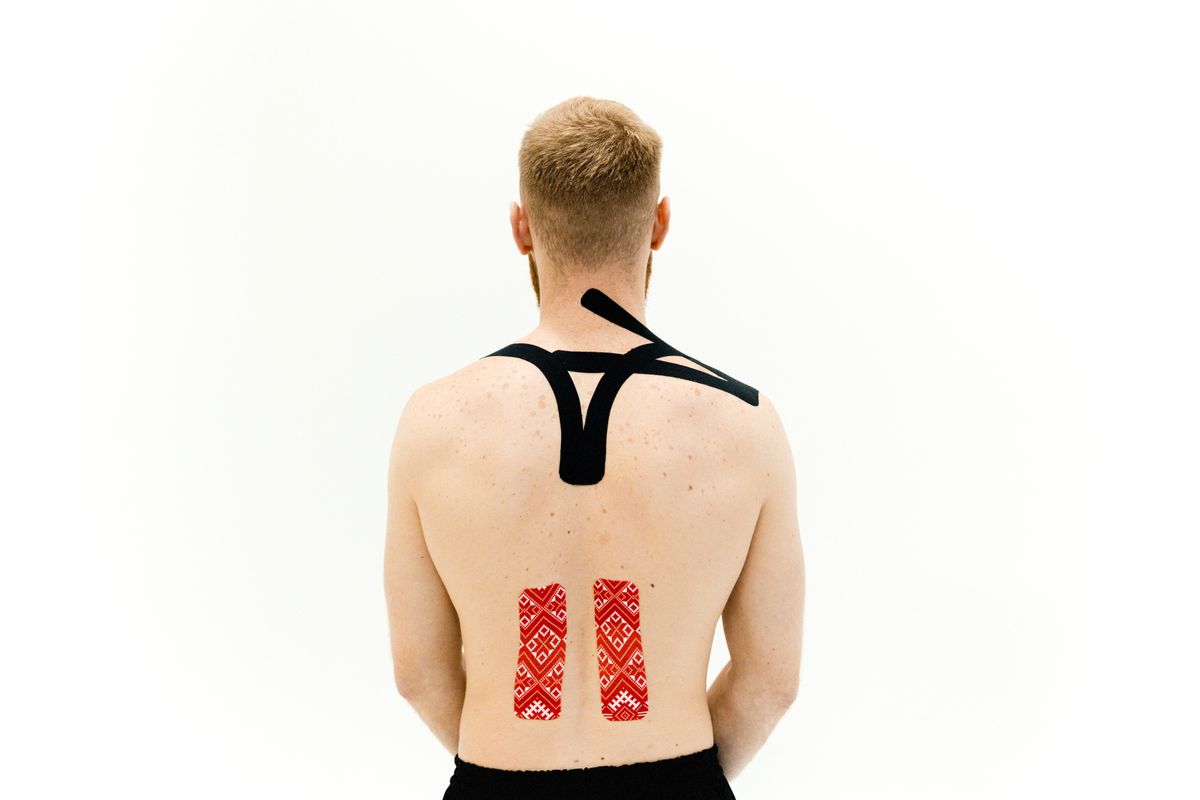
Photo by Maksim Goncharenok on Pexels
The Straight Back Brace reduces the metabolic demand on the erector spinae muscles during sitting by providing a structural limit to forward leaning. Run the math: for every inch the head moves forward of the neutral center of gravity, the effective weight of the head on the thoracic spine increases by approximately 10 pounds. By utilizing an adjustable thoracic back brace, users can calibrate the level of resistance to match their fatigue levels throughout an eight-hour workday. However, I'll change my mind when I see a study proving that passive bracing alone can replace active postural hygiene; currently, the brace serves best as a reminder to re-engage the core. The device is particularly relevant for those requiring upper back pain relief brace solutions, as it offloads the constant tension placed on the posterior ligaments when a person hunches over a desk. Without this mechanical intervention, the thoracic spine is prone to "creeping," a process where soft tissues slowly deform under constant low-grade stress. Using a clavicle support belt in conjunction with thoracic alignment strategies may further stabilize the shoulder girdle, preventing the internal rotation that often precedes thoracic slouching.
Quick answers
Q: How many vertebrae are in the thoracic section supported by the brace? A: The Straight Back Brace provides alignment support for the 12 thoracic vertebrae (T1-T12) that comprise the middle section of the human spinal column. These vertebrae are uniquely characterized by their attachment to the rib cage, providing a stable foundation for the brace's tension straps.
Q: Is the Straight Back Brace designed for post-surgical thoracic recovery? A: While the brace supports general posture, it is not a replacement for medical devices used in thoracic surgery recovery, which involves procedures on the lungs, chest, or esophagus as defined by UCLA Health. Users with clinical spinal conditions should consult a surgeon before using a general consumer brace.
Q: How long should the Straight Back Brace be worn while sitting? A: For optimal results, the Straight Back Brace should be worn in 20 to 30-minute intervals during the initial week to allow the muscles to adapt without becoming dependent on the external support. Over-reliance on the brace for more than 4 hours a day without active exercise may lead to muscle atrophy in the thoracic region.
Learn more about Straight Back Brace at https://straightbackbrace.com.
Sources
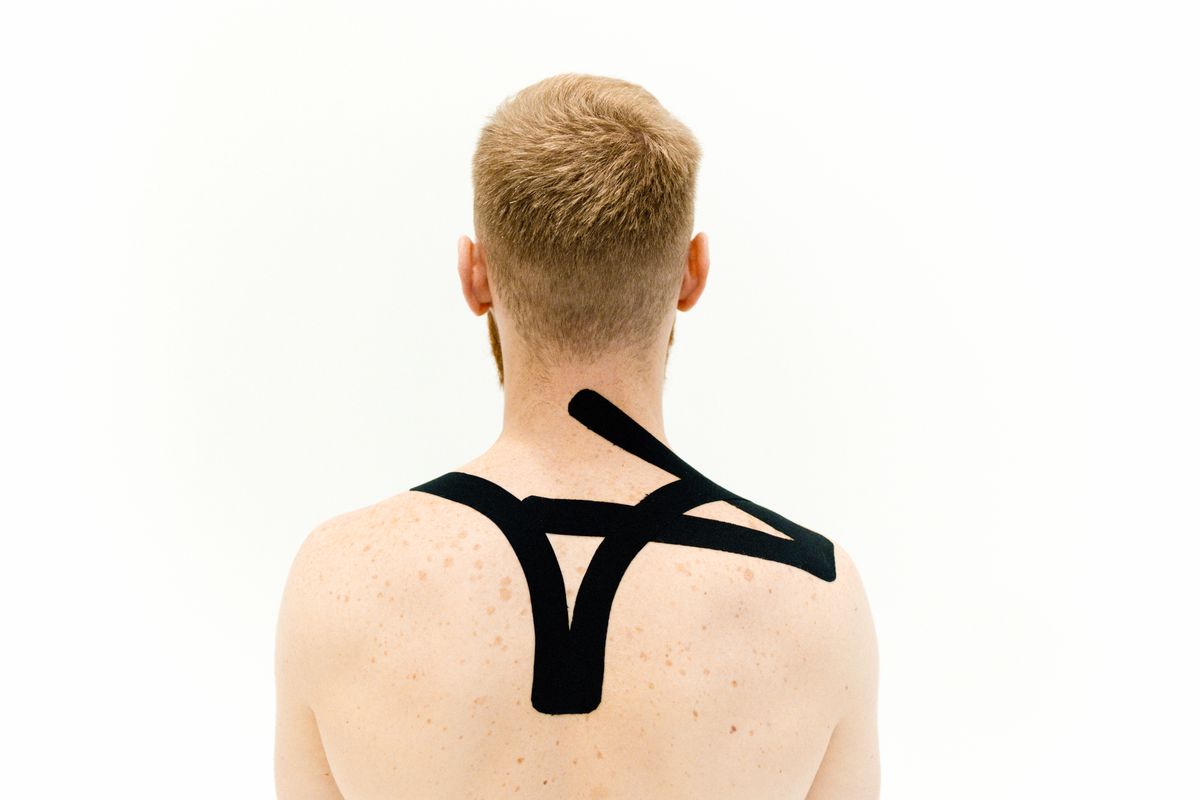
Photo by Maksim Goncharenok on Pexels
- Thoracic Spine: What It Is, Function & Anatomy
- Definition of thoracic - NCI Dictionary of Cancer Terms
- Thoracic Surgery Types